
How to Find Tracker on Car – Complete Step-by-Step Guide (2026)
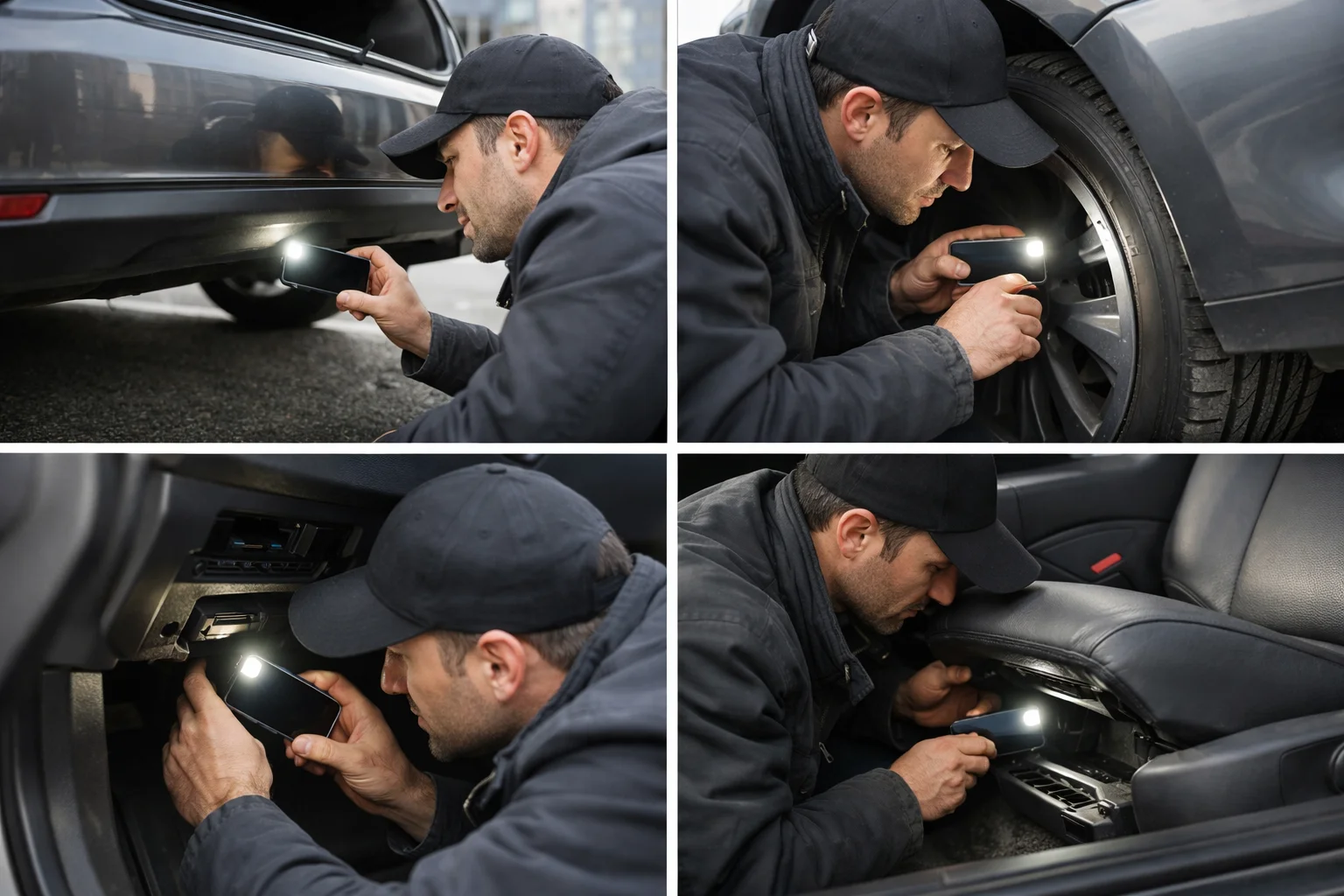
Finding a hidden GPS tracker on a car can be difficult because many tracking devices are designed to stay unnoticed. People often install trackers for vehicle security, fleet monitoring, or theft recovery, but in some cases, a tracker may be placed on a car without the owner’s knowledge. That is why knowing how to find a tracker on a car is important for both privacy and vehicle safety.
Hidden GPS trackers are usually placed under the vehicle, inside the dashboard, near the battery, or around the OBD port. In this complete step-by-step guide, you will learn how to check your car properly, common signs of hidden tracking devices, where trackers are usually hidden, and how to remove them safely if you find one.
Signs Your Car May Have a Hidden Tracker
Many hidden GPS trackers are difficult to notice because they are placed in areas that most people do not check regularly. However, some unusual signs may indicate that a tracking device has been installed on your car without your knowledge.
If your car battery suddenly drains faster than normal, it could be caused by a hidden tracking device using power continuously. Strange buzzing sounds, unusual wiring near the dashboard, or small magnetic devices under the vehicle can also be warning signs of a hidden GPS tracker.
Some people also notice suspicious vehicle activity, unexpected notifications, or unfamiliar devices connected near the OBD port. If you believe your car may have a hidden tracker, a careful inspection can help you identify and remove the device safely.
Where Trackers Are Usually Hidden on a Car
Hidden GPS trackers are usually placed in areas that are difficult to notice during normal vehicle use. Most tracking devices are small and designed to stay hidden while continuing to send live location updates. Checking the common hiding spots carefully can help you detect suspicious devices more easily.
Under the Car
Many magnetic GPS trackers are attached underneath the vehicle because this area is easy to access and difficult to notice. Trackers are often placed near the wheel wells, metal frame, or under the rear bumper using strong magnets.
Inside the Dashboard
The dashboard is another common place where trackers are hidden because it contains wiring and electronic components. Some devices are connected directly with the vehicle power system to work continuously without needing battery replacement.
Near the Battery
Some GPS trackers are installed near the car battery because they require constant power. Hidden wires, unfamiliar devices, or unusual battery drain can sometimes indicate that a tracker has been connected in this area.
Inside the Bumper
Front and rear bumpers provide enough hidden space for small tracking devices. Many trackers are placed inside the bumper area because they remain protected from weather and are harder to detect during a quick inspection.
Under the Seats
Small battery-powered trackers are sometimes hidden under vehicle seats because the area is less visible during daily use. Checking under seats carefully can help you identify unfamiliar devices or suspicious wiring.
Why There Might Be a Tracker on Your Car
Understanding the reason helps determine whether the tracker is legal or suspicious.
A tracker may be installed:
- By a dealership for financed vehicles
- By insurance or fleet management companies
- For stolen vehicle recovery
- Without consent (illegal tracking)
- As a Bluetooth tracker like Apple AirTag or Tile
If you’re unsure how to find out if there is a tracker on your car, follow the steps below.
Step-by-Step: How to Find a Tracker on Your Car
Physical Inspection of the Vehicle
A manual inspection is the most reliable way to find a gps tracker on car.
Check these common hiding spots:
- Under the vehicle body or bumpers
- Inside wheel arches
- Under seats and floor mats
- Behind dashboard panels
- Trunk and spare tire area
- Near the battery or fuse box
Many hidden GPS trackers are small, magnetic, and difficult to notice.
Check for Bluetooth and Apple Trackers
Bluetooth-based trackers are widely used for discreet tracking.
On iPhone:
Apple devices automatically alert users if an unknown AirTag is moving with them.
On Android:
Use supported Bluetooth scanning apps or Google tracker alerts.
This method helps identify:
- how to find apple tracker on car
- how to find airtag tracker on car
- how to find a bluetooth tracker on your car
Inspect the OBD-II Port
Some trackers plug directly into the OBD port under the dashboard.
If you see an unfamiliar device connected, it may be:
- A dealership tracker
- A finance or repo tracker
This is common when searching how to find dealership tracker on car.
Use a GPS Tracker Detector
GPS detector devices scan for active cellular and radio signals.
They help locate:
- GSM and GPRS trackers
- Active GPS transmitters
This is useful if you suspect hidden gps how to find tracker on car.
Get Professional Inspection
If you cannot locate the tracker yourself, consult:
- A PTA-approved tracking company
- A certified auto electrician
Professionals can safely detect and remove trackers without damaging your vehicle.
Final Thoughts
Knowing how to find tracker on car is essential for protecting your privacy and safety. While vehicle tracking has legitimate uses, unauthorized tracking should never be ignored. A combination of physical checks, phone alerts, detection tools, and professional help provides the most reliable results.
Frequently Asked Questions
Look for unfamiliar devices, phone alerts for unknown trackers, or unexplained wiring under the dashboard or vehicle body.
Yes. iPhones detect Apple AirTags automatically, while Android phones can scan for nearby Bluetooth trackers using supported apps.
Common locations include under the car, behind dashboard panels, inside bumpers, near the battery, or plugged into the OBD port.
Yes, but only when installed by PTA-approved and licensed companies with the vehicle owner’s consent.
If the tracker is legal, do not remove it without permission. For suspicious trackers, seek professional assistance.

There are no comments