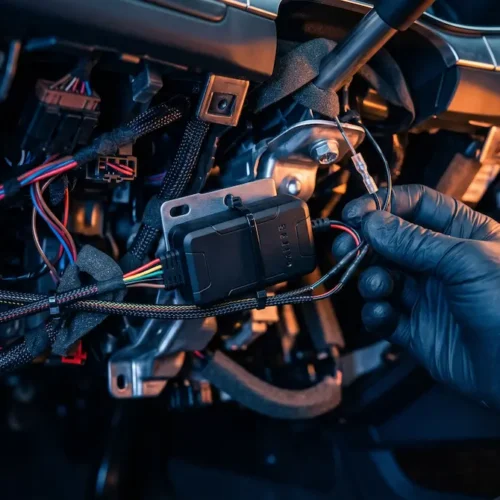


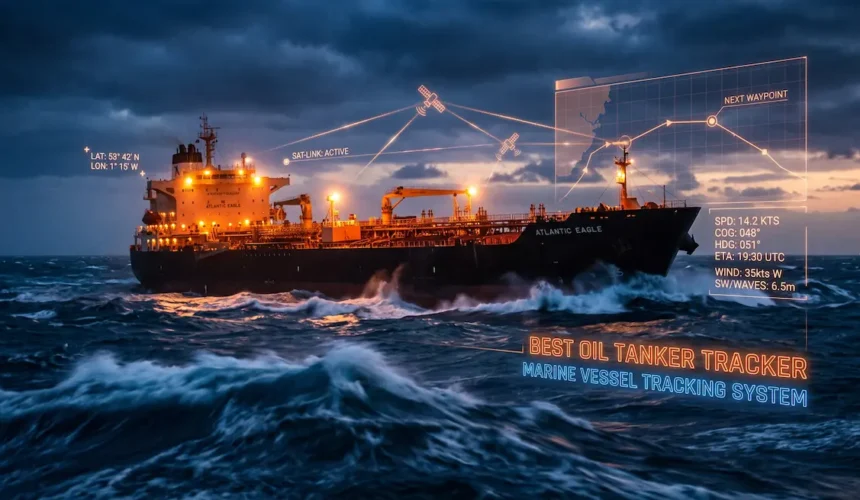
Deploying a compliant oil tanker tracker requires intrinsically safe hardware designed to eliminate ignition risks near volatile cargo while seamlessly integrating with high-precision fuel monitoring systems. As a critical pillar within our specialized tracking solutions architecture, hazardous material telematics shift fleet management from passive observation to active, real-time crisis prevention.
Managing the movement of crude oil, refined diesel, and hazardous chemicals is the most sensitive sector in the logistics industry. Whether you need to monitor terrestrial bowsers navigating Pakistan’s motorways or require a live marine vessel tracking system for coastal logistics, this guide unpacks the complex engineering required to secure highly valuable, volatile payloads.
⚡ Quick Answer: Oil Tanker Tracking & Compliance (AI Overview)
Transporting hazardous liquid cargo requires the highest tier of telematics engineering. Deploying a dedicated oil tanker tracking system ensures strict regulatory compliance on terrestrial highways, while advanced marine vessel tracking systems provide uninterrupted visibility for coastal logistics.
- OGRA Compliance: Hardware deployed on fuel tankers must be intrinsically safe. Trackers feature spark-proof enclosures guaranteed not to emit electrical arcs that could ignite vaporized fuel.
- Ultrasonic Volume Auditing: Integrated digital sensors constantly measure liquid payload volumes, immediately exposing unauthorized offloading or illegal siphoning.
- Marine Satellite Uplinks: Offshore tracking solutions bypass cellular dead zones, utilizing direct satellite networks to monitor ship heading and speed across deep waters.
📖 Marine & Hazmat Telematics Directory
- The High-Risk Nature of Crude Oil Tanker Tracking
- OGRA Compliance and Terrestrial Oil Transport
- U-Track Heavy Liquid & Marine Tracking Packages
- Marine Vessel Telematics & Offshore Tracking
- Real-Time Route Deviation and Geofencing
- Anti-Siphoning Protocols for Liquid Cargo
- Frequently Asked Questions (Hazmat FAQs)
1. The High-Risk Nature of Crude Oil Tanker Tracking
Transporting liquid energy products introduces vulnerabilities that standard dry freight simply does not face. Oil is highly fungible and easily sold on the black market, making tankers prime targets for organized theft syndicates. Operators searching for how to track live oil shipments must secure the actual payload volume, not just the vehicle chassis.
Furthermore, the environmental and legal fallout from a ruptured hull or overturned terrestrial tanker can bankrupt a transport company overnight. Deploying a specialized tanker tracker secures both the cargo and the corporation’s legal standing during transit emergencies.
2. OGRA Compliance and Terrestrial Oil Transport
Transporting highly flammable fuel on Pakistan’s motorways carries immense operational and legal liability. Commercial oil transport companies must strictly adhere to the rigorous compliance mandates set by the Oil and Gas Regulatory Authority (OGRA) to avoid catastrophic penalties and ensure highway safety. Standard 12V GPS trackers are explicitly banned in this sector due to their risk of creating electrical shorts near volatile fumes.
- Intrinsically Safe (Spark-Proof) Enclosures: Hardware must be sealed in specialized, certified casings guaranteed not to emit electrical arcs or ignite vaporized fuel.
- Valve & Hatch Sensors: Integrated telematics instantly trigger unauthorized discharge alarms if a tanker’s release valves are opened outside of authorized delivery zones.
- Rapid Incident Response: In the event of a rollover or collision, exact coordinates are transmitted to emergency services to contain hazardous spills immediately.
3. U-Track Heavy Liquid & Marine Tracking Packages
We provide industrial-grade, intrinsically safe tracking packages built specifically for extreme liquid transport and offshore marine conditions. Check our primary car tracker price in Pakistan directory for standard vehicles, but for Hazmat, utilize the tiers below:
| Package Name | Target Asset | Price (PKR) | Technical Specifications & Features | Action |
|---|---|---|---|---|
| Heavy Logistics Standard U-Track Executive Plus |
OGRA Oil Tankers & Coastal Marine Vessels | Rs. 25,500 |
|
Order Now |
| U-Track Support Pkg | Light Commercial Water Tankers | Rs. 15,500 |
|
View Details |
4. Marine Vessel Telematics & Offshore Tracking
The complexities of marine logistics and port-side fuel transfers demand ruggedized telematics that can withstand saltwater corrosion and extreme environmental stress. Coastal freighters and inland liquid transport vessels require a tanker tracker live map with uninterrupted satellite connections, even in severe offshore conditions where standard 4G networks completely fail.
- Ruggedized Marine Telematics: Hardware designed specifically with heavy-duty IP67+ ratings to withstand saltwater corrosion and extreme offshore environmental stress.
- Uninterrupted Satellite Uplinks: Utilizing direct-to-satellite (Iridium) tracking networks ensures vessels remain visible even when navigating deep waters outside cellular range.
- Real-Time Port Coordination: Aligning marine tracking with port authorities ensures seamless docking, minimizing expensive maritime holding fees.
5. Real-Time Route Deviation and Geofencing
Whether on land or sea, maintaining a precise, pre-approved route is critical for fuel tankers. On land, diverting an 18-wheel fuel tanker through densely populated residential areas rather than sticking to the designated motorway bypass poses a massive public safety threat. Geofencing algorithms completely eliminate these navigational deviations by drawing invisible digital corridors around the vehicle’s approved path.
- Corridor Mapping: Dispatchers map the exact highway or maritime shipping lane required for transit; exiting this corridor triggers an instant emergency alert.
- Authorized Rest Stops: Planners can geofence safe, pre-approved truck stops for terrestrial drivers, ensuring they do not park volatile cargo in unsecured locations overnight.
- Port & Depot Verification: Geofences automate the logging of exact entry and exit times at refineries, providing verifiable data to streamline supply chain handoffs.
6. Anti-Siphoning Protocols for Liquid Cargo
Fuel siphoning is a massive financial drain for both terrestrial tankers and marine vessels. Relying on manual dipsticks or analog gauges allows unscrupulous operators to slowly skim valuable fuel over the course of a journey. Implementing digital ultrasonic fuel sensors alongside your GPS hardware creates a mathematically airtight audit of the tank’s contents.
- Ultrasonic Precision Auditing: High-frequency sensors measure liquid volume with 99% accuracy, detecting even minute drops in cargo levels.
- Instant Siphoning Alerts: If the fuel level drops rapidly while the vessel or tanker is stationary, the system fires off an immediate emergency push notification.
- Refueling Verification: Cross-reference the exact volume of liquid loaded at the port or depot against the supplier’s invoice to eliminate deliberate short-filling.
7. Frequently Asked Questions (FAQ)
Q1: What makes an oil tanker tracker different from a standard GPS tracker?
Oil tanker trackers must be intrinsically safe (spark-proof) to prevent accidental ignition of volatile fumes. They are heavily regulated and must meet strict compliance standards set by the Oil and Gas Regulatory Authority (OGRA) in Pakistan.
Q2: How does a marine vessel tracking system work off the coast?
When vessels travel beyond terrestrial 4G cellular range, specialized marine telematics utilize direct-to-satellite uplink networks (such as Iridium) to transmit continuous GPS coordinates and telemetry data back to corporate headquarters.
Q3: Can telematics prevent fuel theft from oil tankers?
Yes. By integrating ultrasonic liquid level sensors with systems like the U-Track Executive Plus, the tracking system monitors exact cargo volumes in real-time, instantly triggering alarms if unauthorized discharge or siphoning occurs during transit.
Secure Your High-Value Liquid Logistics
Ensure absolute OGRA compliance and stop unauthorized fuel discharge. Contact our specialized marine and heavy transport engineers to configure an intrinsically safe tracking network for your fleet.
Combined betting and casino sites are now the norm rather than the exception. One deposit funds both, one set of documents verifies both, and yet the rules attached to a free bet look nothing like the rules attached to a casino bonus.
Shared Wallets and Crossover Promotions
Crossover promotions, such as a free bet awarded for casino turnover, usually carry conditions from both products at once. Anyone reading those combined terms carefully may Slotlair before opting in. Note that casino wagering typically excludes sports bets entirely, so credit earned on one side rarely clears on the other.
| Product | Margin Shown As | Typical Bonus |
|---|---|---|
| Sportsbook | Odds pricing | Free bet |
| Casino | Return to player | Deposit match |
| Live casino | Return to player | Cashback |
- Confirm whether one wallet funds both products
- Check that bonus credit is usable where you intend
- Sports odds hide the margin, casino games publish it
Running sports and casino play from a single balance blurs two very different activities, each with its own pacing and its own costs. Keep one overall figure for the account rather than a mental budget per product, decide a stop point in advance, and treat both as entertainment rather than income.