
Taxi Tracking System: Complete Guide Safety, Live Monitoring, and Fleet Control

A taxi tracking system helps taxi owners, ride hailing companies, and transport businesses monitor vehicles in real time. It improves passenger safety, helps drivers follow better routes, reduces fuel waste, and gives business owners more control over daily operations.
In Pakistan and many other countries, taxi businesses now rely heavily on GPS tracking systems. Customers expect live ride updates, fast pickup times, and secure travel. Without tracking, managing multiple taxis becomes difficult.
This guide explains how taxi tracking systems work, why they matter, what features are important, and how taxi companies can choose the right solution.
What Is a Taxi Tracking System?
A taxi tracking system is a GPS based solution that shows the live location of a taxi through mobile apps or web software.
The system uses GPS satellites, mobile internet, and tracking software to send real time vehicle data. Taxi owners can check where their vehicles are, how fast drivers are moving, and which routes they use.
Most modern systems also offer trip history, alerts, fuel monitoring, and driver behavior reports.
Small taxi businesses use tracking to improve operations. Large fleets use it to manage hundreds of vehicles from one dashboard.
How a Taxi Tracking System Works
The system works through three main parts.
GPS Tracker Device
A GPS tracker installs inside the taxi. The device receives satellite signals and detects the vehicle’s exact location.
SIM Network or Internet Connection
The tracker sends data through a SIM card or mobile internet network.
Tracking Software
The software displays all information on a dashboard or mobile app. Fleet managers can view live vehicle movement and reports anytime.
Passengers also benefit because many taxi apps now show live driver locations and estimated arrival times.
Why Taxi Businesses Need a Tracking System
Taxi companies face daily challenges. Drivers may take longer routes. Fuel costs can increase. Customers may complain about delays or unsafe driving.
A taxi tracking system solves many of these problems.
Better Passenger Safety
Passenger safety is one of the biggest reasons companies install tracking systems.
Taxi operators can track every trip in real time. If an emergency happens, they can quickly locate the vehicle.
Many systems also include panic buttons and emergency alerts.
This creates trust between passengers and taxi companies.
Real Time Vehicle Monitoring
Fleet managers can monitor all taxis from one screen.
They can see:
- Current location
- Vehicle speed
- Driver routes
- Idle time
- Trip duration
This helps businesses improve dispatch operations and reduce delays.
Faster Dispatch Management
Without tracking software, dispatch teams waste time calling drivers for updates. A taxi tracking system automatically shows the nearest available taxi. This reduces customer waiting time and improves efficiency.
Ride hailing companies depend heavily on this feature.
Fuel Cost Reduction
Fuel prices continue to rise in Pakistan and around the world.
Tracking systems help reduce unnecessary fuel usage by identifying:
- Long routes
- Excessive idling
- Harsh driving
- Unauthorized trips
Even small improvements can save large amounts of money every month.
Driver Accountability
Drivers usually perform better when they know the company monitors trips.
Fleet managers can identify:
- Over speeding
- Aggressive braking
- Route violations
- Unauthorized stops
This improves discipline and customer experience.
Theft Recovery and Vehicle Security
Vehicle theft remains a serious problem in many cities. GPS tracking increases the chances of vehicle recovery because owners can locate stolen taxis quickly.
Some advanced systems also allow remote engine shutdown.
Important Features in a Taxi Tracking System
Not every tracking system offers the same quality.
Here are the most important features taxi businesses should look for.
Live GPS Tracking
This is the core feature of every taxi tracking solution. The system should provide accurate real time location updates without long delays.
Mobile App Access
Modern taxi operators need mobile access. A good tracking app allows owners to monitor taxis directly from smartphones.
Drivers may also receive trip updates through the app.
Trip History
Trip history helps businesses review previous journeys. Managers can analyze routes, working hours, and fuel usage.
This information also helps resolve customer complaints.
Geo Fencing
Geo fencing creates virtual boundaries around specific areas. When a taxi enters or leaves a location, the system sends alerts.
Taxi companies often use this feature for airport pickups, restricted zones, or business routes.
Speed Alerts
Over speeding increases accident risks and fuel consumption. Tracking systems can notify managers when drivers exceed speed limits.
Driver Behavior Monitoring
Some systems monitor driving habits.
They track:
- Harsh braking
- Sudden acceleration
- Sharp turns
- Long idle times
Safer driving lowers maintenance costs and improves passenger confidence.
SOS Emergency Button
Emergency buttons improve passenger and driver safety.
If danger occurs, the driver can instantly alert the control center.
Taxi Tracking System for Ride Hailing Services
Ride hailing companies depend completely on live tracking technology.
Apps like Uber and Careem use advanced GPS systems to connect passengers with nearby drivers.
Tracking systems help these companies:
- Match riders faster
- Reduce waiting time
- Improve customer trust
- Monitor driver activity
- Manage routes efficiently
Without GPS tracking, ride hailing apps would struggle to operate properly.
Benefits for Taxi Drivers
Drivers also benefit from taxi tracking systems.
Some people believe tracking only helps company owners, but that is not true.
Better Route Planning
GPS navigation helps drivers avoid traffic and reach destinations faster.
Increased Safety
Drivers feel safer because dispatch teams can monitor trips in real time.
More Ride Opportunities
Faster dispatch systems help drivers receive more ride requests.
Reduced False Complaints
Trip history and location records protect drivers from fake customer complaints.
Taxi Tracking System for Small Businesses
Small taxi businesses can also benefit from tracking systems. Many local taxi operators still manage vehicles manually. This creates confusion and delays.
Affordable GPS solutions now allow small companies to compete with larger services. Even a fleet of five taxis can improve operations through live tracking.
Common Industries Using Taxi Tracking Systems
Taxi tracking technology is no longer limited to taxi companies alone.
Many industries now use similar systems.
Airport Taxi Services
Airports use GPS tracking to manage pickups and reduce waiting times.
Corporate Transport Services
Businesses track employee transport vehicles for safety and scheduling.
School Transport
Some school transport providers use tracking to improve student safety.
Tourism Companies
Tour operators monitor tourist vehicles during long trips.
Choosing the Right Taxi Tracking System
Choosing the wrong system can create technical problems and wasted money.
Here are important factors to consider before buying.
Tracking Accuracy
The system should provide accurate live location updates.
Poor GPS accuracy causes delays and confusion.
Software Simplicity
The dashboard should remain simple and easy to use.
Complicated software wastes time.
Customer Support
Technical support matters a lot.
A tracking company should provide quick installation help and troubleshooting.
Mobile Compatibility
Make sure the software works smoothly on Android and iPhone devices.
Data Security
Tracking systems store sensitive information.
Reliable providers protect customer and vehicle data properly.
System Scalability
A growing taxi business may add more vehicles later.
The system should support future expansion without major upgrades.
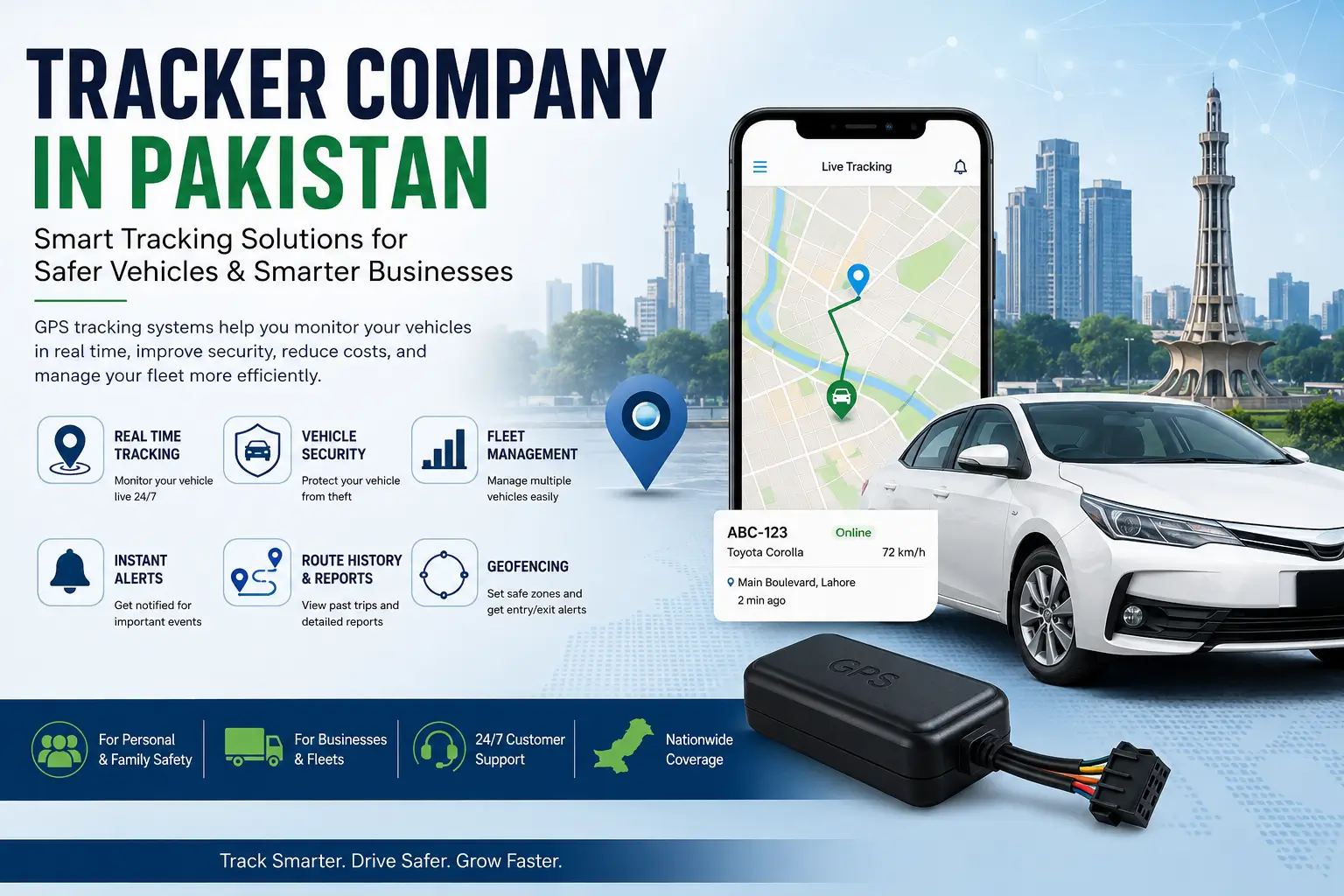
Taxi Tracking System in Pakistan
The demand for taxi tracking systems continues to grow in Pakistan.
Several factors drive this growth:
- Increasing fuel prices
- Rising vehicle theft cases
- Growth of ride hailing services
- Expansion of local transport businesses
Taxi operators in cities like Lahore, Karachi, and Islamabad now invest heavily in GPS solutions.
Local tracking companies also offer affordable packages for small businesses.
Challenges Taxi Companies Face Without Tracking
Taxi businesses without GPS tracking often struggle with operational problems.
Delayed Pickups
Dispatch teams cannot locate nearby taxis quickly.
Fuel Theft and Misuse
Unauthorized trips increase fuel costs.
Poor Customer Experience
Passengers dislike uncertainty and long waiting times.
Weak Fleet Management
Owners lose visibility into daily operations.
Difficulty Handling Complaints
Without route records, resolving disputes becomes difficult.
Future of Taxi Tracking Systems
Taxi tracking technology continues to improve every year. Artificial intelligence and smart analytics now help companies predict traffic patterns and optimize routes. Some systems also integrate with dash cameras and fuel sensors.
Electric taxi fleets may soon rely even more on advanced tracking systems to monitor battery performance and charging schedules. Autonomous vehicles could also depend heavily on GPS and fleet tracking technology in the future.
Taxi Tracking System vs Traditional Taxi Management
Traditional taxi management depends heavily on manual communication. Drivers constantly call dispatch centers for updates. Managers struggle to monitor routes and customer service quality. Tracking systems automate most of these tasks.
This improves speed, transparency, and efficiency. Modern passengers also expect live updates and digital convenience. Companies that fail to adapt may lose customers to better organized competitors.
How Tracking Improves Customer Trust
Passengers feel more comfortable when they can monitor rides in real time.
Tracking systems provide:
- Driver location visibility
- Estimated arrival times
- Route transparency
- Trip history
- Emergency support
This creates a stronger sense of security and professionalism.
Trust plays a major role in customer retention.
Cost of Taxi Tracking Systems
Pricing depends on several factors.
These include:
- Device quality
- Software features
- Fleet size
- Installation charges
- Subscription plans
Basic systems usually cost less but may offer limited reporting features. Advanced fleet management solutions cost more but provide better long term value. Businesses should focus on reliability instead of choosing the cheapest option.
Common Mistakes When Choosing a Tracking System
Many businesses make avoidable mistakes during purchase decisions.
Ignoring Support Quality
Cheap systems often provide weak technical support.
Choosing Poor Quality Devices
Low quality trackers may stop working properly after a few months.
Ignoring Software Experience
A confusing dashboard reduces efficiency.
Not Checking Network Coverage
Poor connectivity affects real time tracking performance.
Final Thoughts
A taxi tracking system has become an essential tool for modern transport businesses. It improves passenger safety, reduces fuel costs, increases operational control, and helps taxi companies deliver better service. Small taxi operators and large fleets both benefit from real time tracking technology.
As customer expectations continue to rise, businesses that use reliable GPS tracking systems will stay more competitive and organized. The transport industry is changing quickly. Companies that invest in smart tracking solutions today will likely perform better in the future.
There are no comments